Spirometry Tests: A Brief Guide

Our lungs are among the most vital organs in our bodies, ensuring we can absorb oxygen and deliver it to our bloodstream.
Respiratory issues, like COPD, asthma, and pulmonary fibrosis, make our lungs less effective and can have a serious impact on our long-term health, leading to low energy, weakness, and even death.
One way to check how our lungs are functioning is with a ‘spirometry test’. In this article, we will be explaining:
- What Is A Spirometry Test
- Why A Spirometry Test Would Be Performed
- How To Prepare for a Spirometry Test
- What Happens During A Spirometry Test
What Is A Spirometry Test?
A Spirometry test is a lung-function test that measures how much air your lungs can hold. This test is performed using a piece of medical equipment called a Spirometer, which measures lung capacity and stores the data, allowing a medical professional to read the results.
Why Would I Need A Spirometry Test?
A doctor may recommend a spirometry test to diagnose a range of medical issues, including:
- Asthma
- COPD
- Pulmonary Fibrosis
- Bronchiectasis
In addition, you may be offered a spirometry test if you are a smoker over the age of 55 or if your doctor suspects you may have a lung issue.
How Should I Prepare For A Spirometry Test?
Like with many other types of diagnostic tests, your doctor will provide you with a list of ways to prepare for your spirometry test. This list will include refraining from smoking for 24 hours before testing, not eating for 2 hours before the test, and avoiding alcohol for at least 4 hours before the test (or refraining from alcohol completely on the day of the test).
If you use an inhaler, your doctor may also ask you not to use it for a period of time before the test; however, this will be confirmed by your doctor beforehand.
Aside from avoiding smoking, alcohol, and large meals before the test, there are also a range of steps that you can take to ensure that you are more comfortable. Wearing loose clothing is often a good idea, as tight clothing, especially around the chest, can make taking the test uncomfortable. In addition, removing jewellery before your appointment and ensuring you have enough water are simple ways to help you remain as comfortable as possible during your test.
What Will Happen During A Spirometry Test?
Luckily, the process for a spirometry test is simple:
Before taking the test, the medical professional administering it will ask a range of questions, including whether you are currently suffering from a chest infection or have recently had a stroke. These questions are designed to ensure that you are healthy enough to take the test.
If you are well enough, the spirometry test will proceed.
First, you will be asked to put a soft nose clip over your nose, pinching your nostrils shut. This is to ensure that no air leaks through your nose during the test.
Then, you will be asked to inhale as much as possible, expanding your lungs to their maximum capacity.
Finally, you will be asked to blow into a medical device, the spirometer, via a soft silicone attachment. It is important that you form a tight seal around the spirometer with your lips and exhale as much air as possible, with the greatest force you can.
After this, you may be asked to take the test one or even two more times. If you already use an inhaler, you may be asked to use this between tests to see if there is a noticeable difference before and after.
After repeating the test 2-3 times, the medical professional administering the exam will have the required data. Although the spirometry test by itself may not be enough to diagnose a specific lung condition, it can contribute to other diagnoses and provide an overall measure of lung function.
After the test, you might feel dizzy or lightheaded. This is normal, as you will have just exhaled the oxygen that would normally be circulating in your bloodstream. After a few minutes, your breathing should return to normal.
Following this process, your spirometry results will need to be read by a medical specialist. The specialist who reads your results will then inform your GP, and you should receive your results within a few weeks of taking your test.
Find Quality Medical Equipment At HCE UK
Getting diagnosed with a respiratory condition can be an anxious and upsetting process. However, by utilising the right combination of treatment and medical support, patients can give themselves the best chance to live life to the fullest and manage their condition.
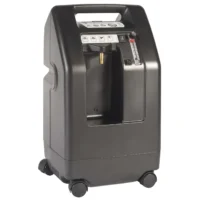
At HCE, we supply a wide range of equipment for patients with respiratory conditions, including oxygen concentrators, air purifiers, and sleep apnea devices, as well as living aids such as armchairs and walking aids designed to make life easier.
Browse our range of products today to discover a simple way to make your life more manageable with HCE UK.