Class III Medical Scales: Why Compliant, Accurate Scales Matter
Accurate patient weight measurement is a basic but critical part of safe clinical care. In GP surgeries, community healthcare settings and other primary care environments, recorded weight can influence diagnosis, nutritional assessment, fluid management and, importantly, medication dosing.
A recent NHS Scotland Safety Action Notice SAN2603 has reinforced the risks associated with unsuitable or inaccurate patient weighing equipment. The notice follows a survey which identified widespread use of weighing scales that did not meet the required legal, clinical or accuracy standards for medical use.
The risk of using unsuitable patient weighing scales
The survey found that many GP practices were using equipment that was unsuitable for clinical weighing. This included domestic or bathroom scales, lower-accuracy devices and equipment that had not been adequately verified or maintained.
The findings were significant:
- 82% of GP practices surveyed were found to have some form of non-compliant weighing equipment.
- Only 18% were fully compliant with relevant legal and NHS requirements.
- 43% of practices were using scales not legally suitable for clinical use.
- 55% of devices did not meet the required Class III medical accuracy standard.
- 18% of scales tested produced inaccurate readings, with one device reportedly showing a 41 kg reading for a 100 kg test load.
Inaccurate patient weight can lead to incorrect clinical decisions, particularly where measurements are used to calculate drug doses, assess weight change, monitor fluid balance or support nutritional planning. Even relatively small discrepancies can become clinically important where treatment decisions depend on repeatable and reliable measurements.
Patient weighing equipment used for clinical purposes must be suitable for its intended application and comply with the relevant medical weighing requirements. This includes being appropriately marked, traceable and capable of delivering the level of accuracy expected in clinical care.
Class III medical scales: the minimum standard for patient weighing
NHS guidance identifies Class III accuracy as the minimum standard for patient weighing where measurements are used for monitoring, diagnosis or treatment.
Class III medical weighing scales are designed to offer a higher degree of precision than lower-class instruments. They generally provide smaller display increments and tighter permitted tolerances, helping clinicians obtain more dependable measurements.
For example, a Class III medical scale may typically display patient weight in 0.1 kg or 0.2 kg increments, whereas lower-class devices may display only whole kilograms and allow a significantly greater level of error.
Compliance is not only about the accuracy class of the equipment. The weighing device must also be suitable for the patients being measured and the environment in which it will be used.
A suitable clinical weighing programme may require a combination of equipment, such as:
- Stand-on or platform scales for ambulant adults
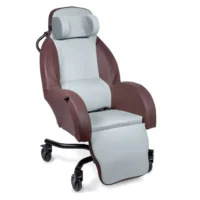
- Chair scales for patients with reduced mobility
- Baby scales for neonatal and paediatric settings
- Bariatric scales for higher-capacity patient weighing
- Portable scales for community care, home visits or multi-room use
Compliant seca medical scales available from HCE-UK
HCE-UK supplies a broad range of seca medical weighing equipment suitable for GP surgeries, clinics, community healthcare providers, hospitals and specialist care settings. Our range includes Class III approved medical scales, chair scales, platform scales, baby scales and bariatric weighing solutions designed to support accurate, reliable and clinically appropriate patient measurement.
By selecting medical weighing equipment that is appropriate for the patient group, compliant with Class III accuracy requirements and supported by a robust servicing and calibration programme, healthcare providers can help reduce clinical risk and maintain confidence in the measurements used to support patient care.

Recommended seca Class III Approved Scales from HCE:

seca 875 Class III Electronic Flat Scale
- Lightweight, portable and highly durable.
- Four levelling feet ensure exceptional weighing accuracy.
- Compact design makes it ideal for surgeries, clinics and community healthcare settings.
- Easy-to-clean surface supports infection control procedures.
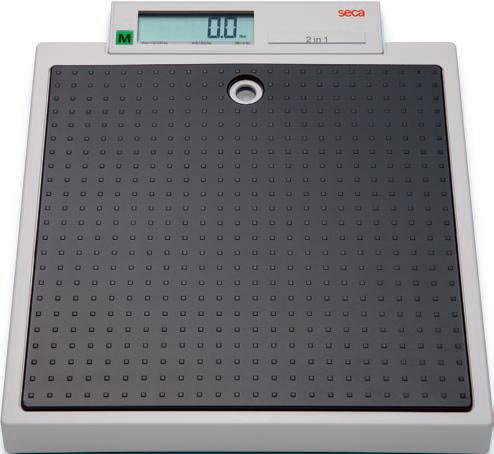
seca 877 Class III Electronic Flat Scale
- Touch start with automatic power-down
- Low-level stable platform
- 2 in 1 (mother and child weighing function)
- Lightweight, ideal for portable use
- Automatic power down
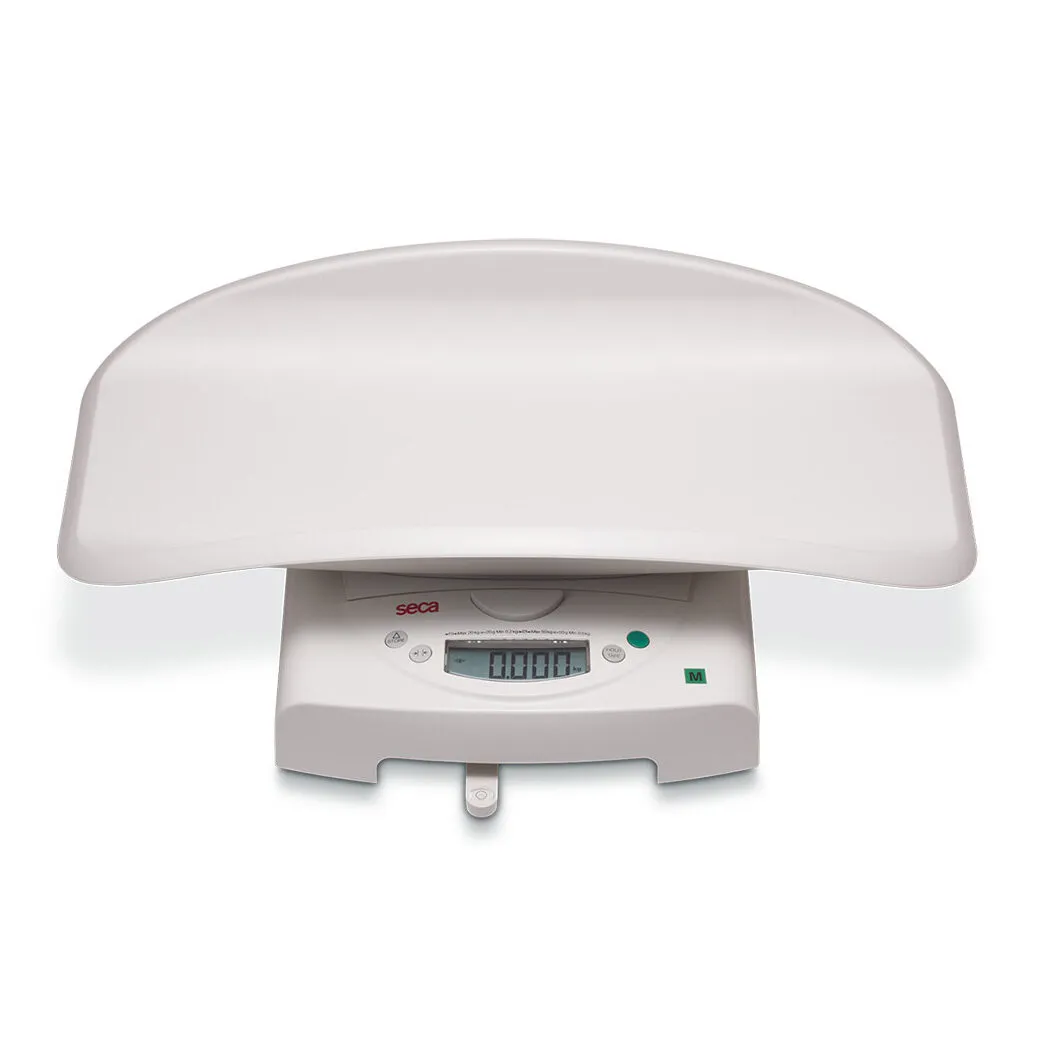
seca 384 Class III Digital Baby Scale
- Approved by The Child Growth Foundation.
- Dual-purpose design functions as both a baby scale and a flat scale for small children.
- Contoured tray provides secure infant positioning.
- Adaptable solution that grows with the patient, making it ideal for paediatric care settings.
Choosing Class III approved scales is not only a compliance requirement but an essential step in ensuring accurate clinical measurements and patient safety. HCE’s range of seca scales provides healthcare professionals with dependable, legally compliant weighing solutions they can trust.