Audiometry Equipment
Hearing assessment covers a wide span of work, from a quick tuning fork check in a GP consultation to audiometric screening for noise-exposed employees and middle ear measurement in an ENT clinic. Each of those needs different equipment, and the choice is usually driven by where the test happens and how the results need to be recorded. Our audiometry equipment range covers screening and PC-based audiometers, tympanometers, tuning forks, audiometric headsets, and the leads, cases, and printers that go with them, supplied by Amplivox, Interacoustics, GM Instruments, and other established manufacturers.
View audiometers, tympanometers and audiometry accessories for occupational health, ENT, audiology and general practice below.


Showing 1–30 of 102 resultsSorted by popularity






13%
DD45 Audiometric Headset 8106339


From Tuning Fork Tests To Screening Audiometry And Tympanometry
Hearing testing in UK healthcare sits across several settings, and the equipment sold into each is quite different. A GP surgery may only need a set of tuning forks. An occupational health provider carrying out hearing health surveillance under the Control of Noise at Work Regulations needs a screening audiometer and a way to reduce ambient noise. An ENT or audiology service needs tympanometry alongside audiometry. Our range is organised to serve all three.
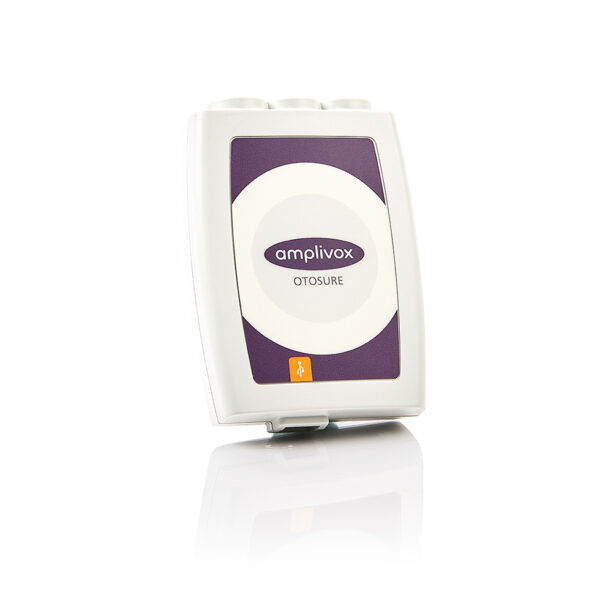
- Amplivox audiometers: the core of the range, including the Amplivox 116 manual screening audiometer in standard, battery-function and Audiocups-fitted versions, and the Otosure PC-based automatic audiometer for sites recording results to a computer.
- Interacoustics audiometers: including the AS608 portable screening audiometer and the PA5 paediatric free field audiometer for testing young children.
- GM Instruments audiometers: including the EARS audiometer testing unit.
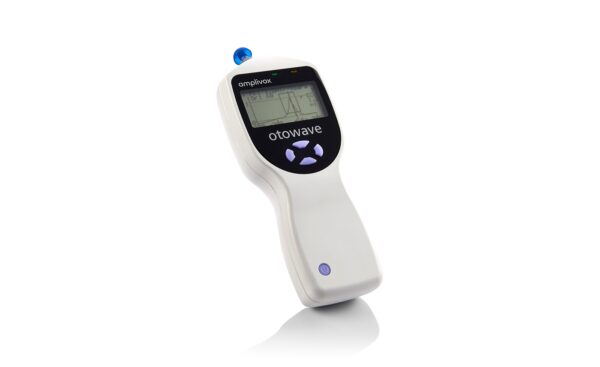
- Tympanometers: middle ear measurement equipment, including the Amplivox Otowave 102 series and the Titan screening tympanometer supplied with software.
- Tuning forks: a broad selection covering the 512Hz forks used for tuning fork hearing tests, higher frequencies up to 4096Hz, and weighted Rydel Seiffer forks. Brands include Gardiner Brown and Riester.
- Audiometry accessories: the practical side of running a testing service, covering DD45 audiometric headsets and replacement leads, insert earphones, Audiocups noise-reducing enclosures, booth leads, carry cases and thermal printers.
Two points are worth raising before ordering. First, the testing environment shapes the results as well as the instrument, and most rooms are not sound-treated – which is why Audiocups and noise-reducing headset upgrades are often bought at the same time as the audiometer rather than later. Second, audiometers and tympanometers generally need periodic servicing and calibration in line with the manufacturer’s guidance and your own equipment procedures, so it is sensible to plan for that from the outset. Our equipment servicing and repairs team can advise on what we can support for a given instrument.
Hearing assessment usually starts with a look in the ear, so our otoscopes range is a natural companion to this category, alongside the wider medical equipment range.
For pricing, bulk orders or advice on matching an audiometer to the room it will be used in, request a quotation and our team can help with product information and availability.
FAQs
What is the difference between an audiometer and a tympanometer?
An audiometer presents tones at set frequencies and intensities to measure hearing thresholds, with the patient responding when they hear a sound. A tympanometer measures how the eardrum and middle ear respond to pressure changes, which is a different measurement and does not require a patient response. Many audiology and ENT services use both.
Which audiometer suits occupational health screening?
Occupational health providers generally use a screening audiometer rather than a full diagnostic unit, and portability often matters because testing happens on client sites. For this reason, battery-powered models and carry cases are available, and noise-reducing headset enclosures are worth considering where testing rooms are not sound-treated. The right model depends on your testing protocol and reporting requirements.
Do you supply replacement headsets, leads and accessories?
Yes. Audiometry accessories make up a substantial part of this category, including DD45 audiometric headsets and replacement main headset leads, insert earphones, booth leads, carry bags and cases, and thermal printers for audiometers. Accessories are generally specific to the instrument they were designed for, so confirm compatibility before ordering.
Which tuning fork frequency is used for hearing tests?
512Hz is the frequency commonly used for tuning fork hearing tests in clinical practice. Lower-frequency weighted forks, such as Rydel Seiffer models, are used for a different purpose, and higher frequencies up to 4096Hz are also stocked. Selection rests with the examining clinician.
Can NHS audiology and ENT departments order from HCE?
They can. HCE supplies audiometry equipment to NHS audiology services, ENT outpatient departments, community paediatric audiology teams, school health services and occupational health providers. NHS purchase orders are accepted, and eligible customers can apply for a 30-day account. Visit our official NHS orders page for more information.